


 English
  Español
 什么是连接器插头?
 2025.12.26
 行业新闻
行业新闻
连接器插头是指连接器中可移动、带插针(或插孔)的“公头”部分,它通常与固定的插座(Jack, Receptacle, Socket) 配套使用,构成一个完整的可插拔电气接口。它是实现设备间或组件间快速、安全、可重复连接与断开的核心部件。
核心定义与角色
-
角色:在连接器配对中,插头通常是主动插入端,插座是被动接受端。插头承载导电端子,并将其引导至插座中的对应接触件以建立电路。
-
关键特征:设计有对齐、防错插和锁紧机构(如卡扣、螺纹、杠杆),确保连接正确且牢固。
主要组件
-
外壳:绝缘体(通常为塑料),提供结构支撑、保护内部端子并定义插头形状(即接口标准,如USB-A、HDMI)。
-
端子(插针/插孔) :导电金属件(如黄铜、磷青铜),是电流或信号的传输通道。公插头通常带有插针(Male Pin)。
-
锁紧/耦合机构:如卡扣(RJ45网线插头)、螺纹(航空插头)、卡口(BNC)或简易摩擦固定(3.5mm音频插头)。
-
线缆固定/应力消除:防止线缆受力直接传递到焊点或压接点。
-
屏蔽层(可选):用于高频或敏感信号传输,减少电磁干扰。
核心功能与价值
-
便捷互连:实现设备与线缆、或设备之间的快速连接与分离,无需工具。
-
电路导通:可靠地传输电力或信号。
-
标准化:遵循行业标准(如USB, HDMI, IEC),确保不同制造商设备间的兼容性。
-
安全防护:通过绝缘外壳防止触电,并通过正确配对防止误接。
-
环境密封(部分类型):具备防水防尘功能(如IP67等级)。
常见类型(按应用)
-
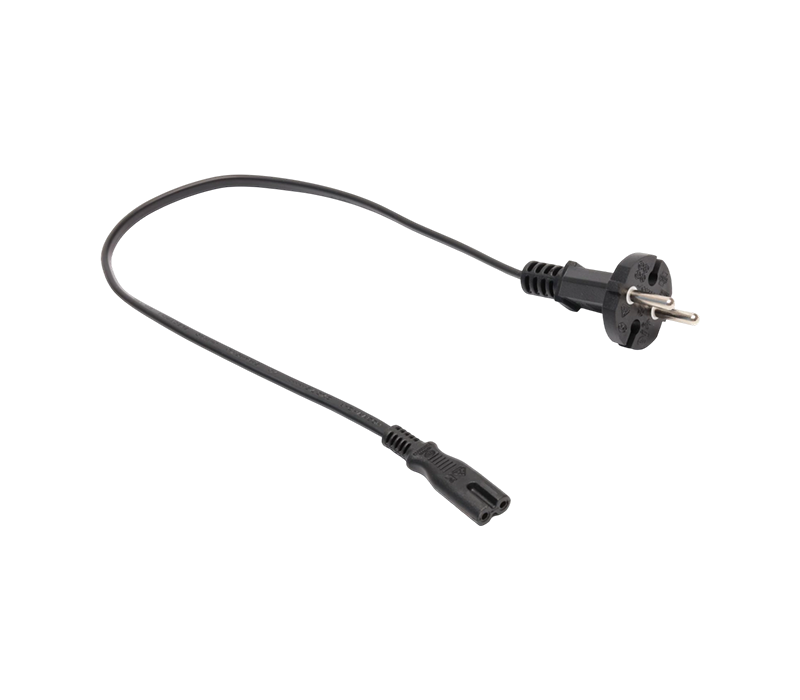
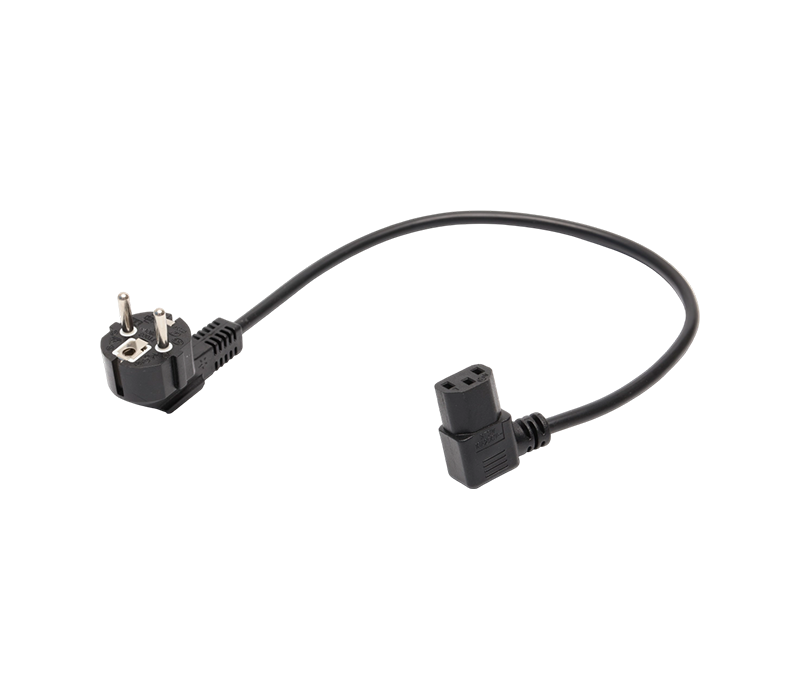
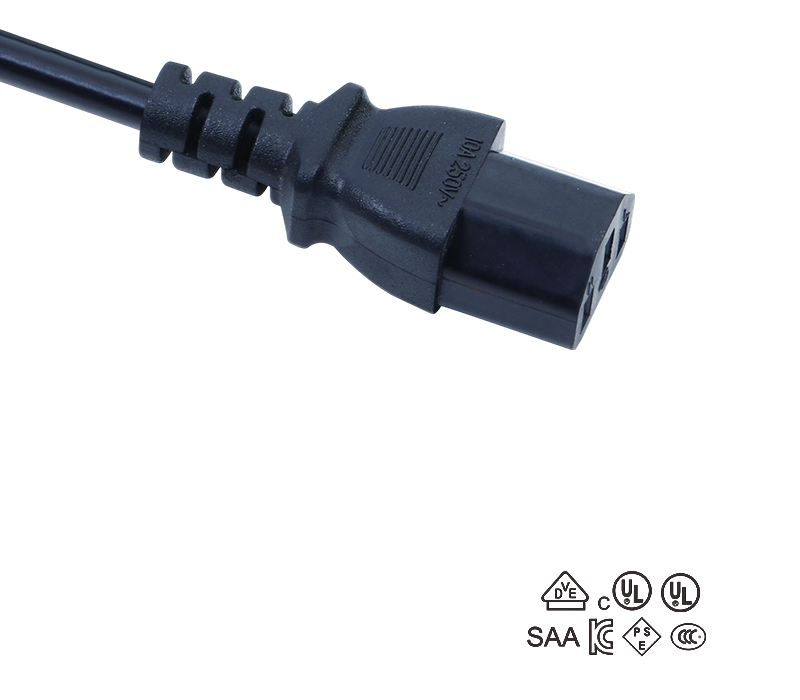
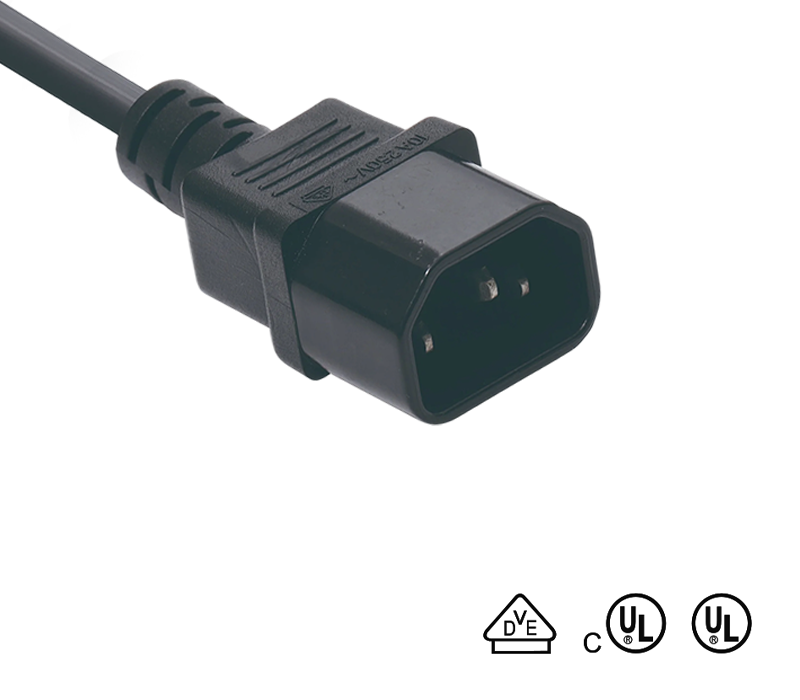
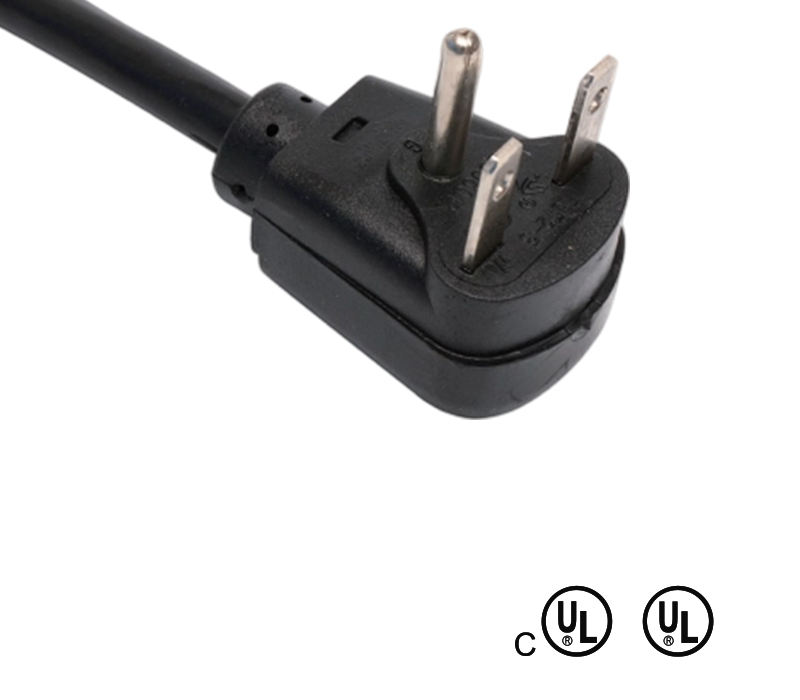
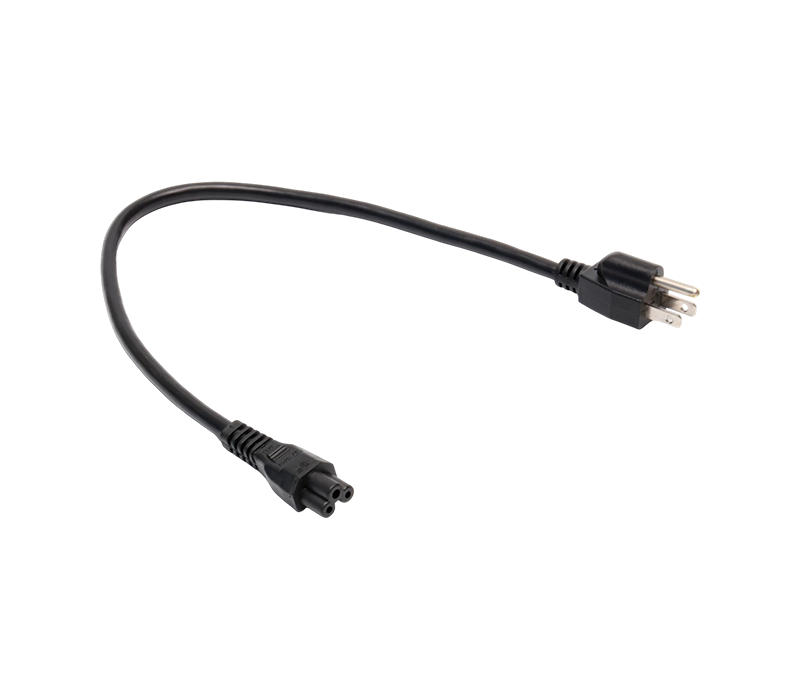
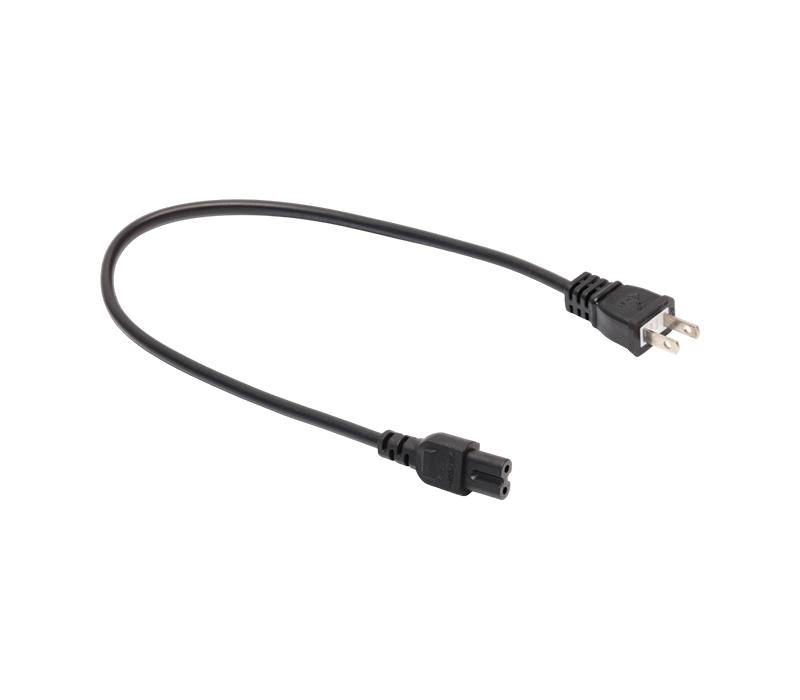
电源插头:如国标/美标/欧标家用电源插头、IEC C13(电脑电源线插头)。
-
信号/数据插头:如USB Type-C、HDMI、DisplayPort、3.5mm音频插头、RJ45网络插头。
-
工业/专用插头:如圆形航空插头、M12/M8传感器插头、汽车线束插头。
-
同轴插头:如BNC、SMA(用于射频信号)。
与相关术语的区别
-
连接器插头 vs. 连接器插座:插头是“公头”,插座是“母座”,二者配对使用。
-
连接器插头 vs. 电源插头:后者特指接入电网的插头,是前者的一个子类。
-
连接器插头 vs. 端子:端子是插头内部的金属接触件,插头是包含端子的完整外壳组件。
总结
连接器插头是标准化电气接口中“主动插入”的那一半,是确保设备实现模块化、可维护及互联互通的关键物理载体。 其设计决定了连接的电气性能、机械强度和使用便利性。
如果您想了解特定类型(如USB-C, M12)插头的详细规格,我可以提供进一步说明。

相关产品

联系我们
联系表单
 宁波硕越机电有限公司专注于电线电缆、插头插座、LED防水连接器等产品的研发与制造,产品符合多项国际认证,广泛应用于市场。公司位于交通便 利的余姚市,1小时经济圈覆盖杭州国际机场、宁波港和上海机场,确保快速交付。我们拥有先进的生产设备和完善的质量管理体系,致力于为客户提供高质量的电气产品和服务。
 手机:13586690829
 浙江省宁波市余姚市泗北工业区
手机二维码
© 宁波硕越机电有限公司 版权所有。
