2025.12.26
Industry News
Excellent question! A Connector Harness is a fundamental component in electrical and electronic systems. Here’s a detailed breakdown:
A Connector Harness (more commonly called a Wiring Harness, Cable Harness, or Wire Harness) is a pre-assembled, integrated system of wires, cables, connectors, and protective sleeves designed to transmit signals and electrical power within a larger device or between multiple devices.
Think of it as the central nervous system or the vascular system of any complex piece of equipment. It bundles individual wires into an organized, secure, and manageable package.
A typical connector harness consists of:
Wires/Cables: Conductors for power and signals.
Terminals: Metal ends crimped onto wires that make the electrical contact.
Connectors (Housings): Plastic or metal housings that hold terminals, allow for secure mating, and provide polarization (so they can't be plugged in incorrectly).
Protective Sheathing: Conduit, braiding, spiral wrap, or corrugated tubing that bundles wires together and protects them from abrasion, heat, moisture, and chemicals.
Strain Reliefs: Features that secure the cable at the connector to prevent tension from damaging the electrical connections.
Tapes, Ties, and Clamps: Used for internal bundling and securing the harness to the chassis or frame.
Organization: Replaces a "rat's nest" of individual wires with a single, neat assembly.
Simplified Installation: Allows for drop-in installation as one unit, drastically reducing assembly time and complexity.
Protection: Shields wires from environmental hazards and physical damage (vibration, chafing).
Safety: Contains and insulates wires, reducing the risk of short circuits, electrical fires, and interference.
Reliability & Quality Control: Manufactured to precise specifications in a controlled environment, ensuring consistent performance.
Serviceability: Designed for easy connection/disconnection, making maintenance and part replacement easier.
Connector harnesses are ubiquitous in any industry with electrical systems:
Automotive: The most extensive use. A modern car can have over 1,500 connectors and 5 km of wiring in its main harness, connecting everything from the engine ECU to taillights and infotainment.
Aerospace & Aviation: Extremely high-reliability, lightweight harnesses that must withstand extreme conditions.
Consumer Electronics: Inside appliances, computers, TVs, and gaming consoles.
Industrial Machinery: In manufacturing robots, CNC machines, and control panels.
Medical Equipment: In imaging systems (MRI, CT scanners), patient monitors, and surgical tools.
Telecommunications: In server racks, networking equipment, and base stations.
Schematic & Layout: Electrical engineers create schematics. Harness designers use them to create a 2D/3D layout, optimizing routing, length, and bend radii.
Prototyping: A physical sample is built and tested for fit, form, and function.
Cutting & Stripping: Wires are cut to precise lengths and their ends are stripped.
͏Termination: Terminals are crimped or soldered onto wire ends.
Insertion: Terminals are inserted into connector housings.
Assembly & Bundling: Wires are assembled on a harness board (a full-scale template) and bundled with sleeves, ties, and tape.
Testing: 100% electrical testing is critical. Tests for continuity, short circuits, resistance, and sometimes hi-pot (dielectric withstand) are performed.
This is a common point of confusion.
Connector/Wiring Harness: Multiple branches with different endpoints. It has many connectors and terminates in several places (e.g., one main trunk that branches off to headlights, sensors, and a fuse box).
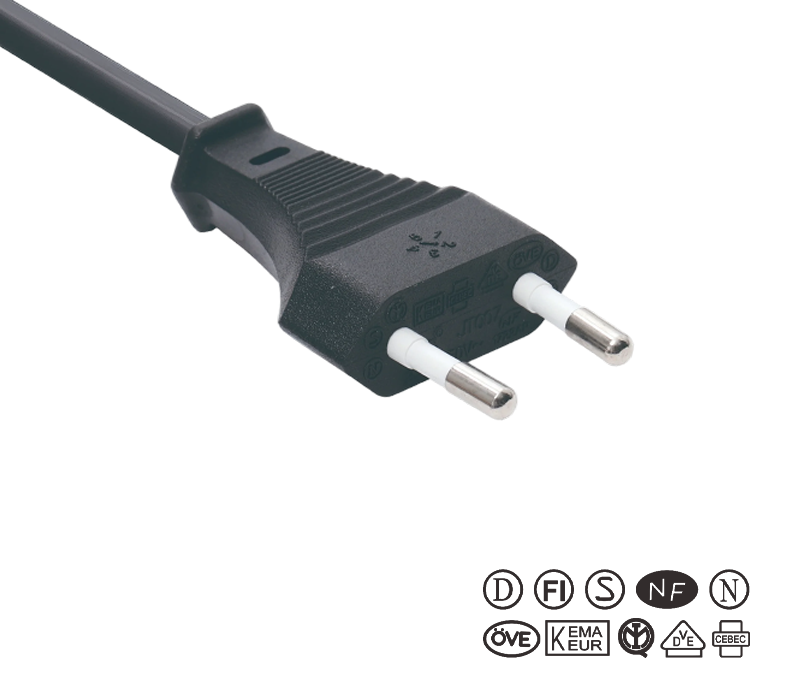
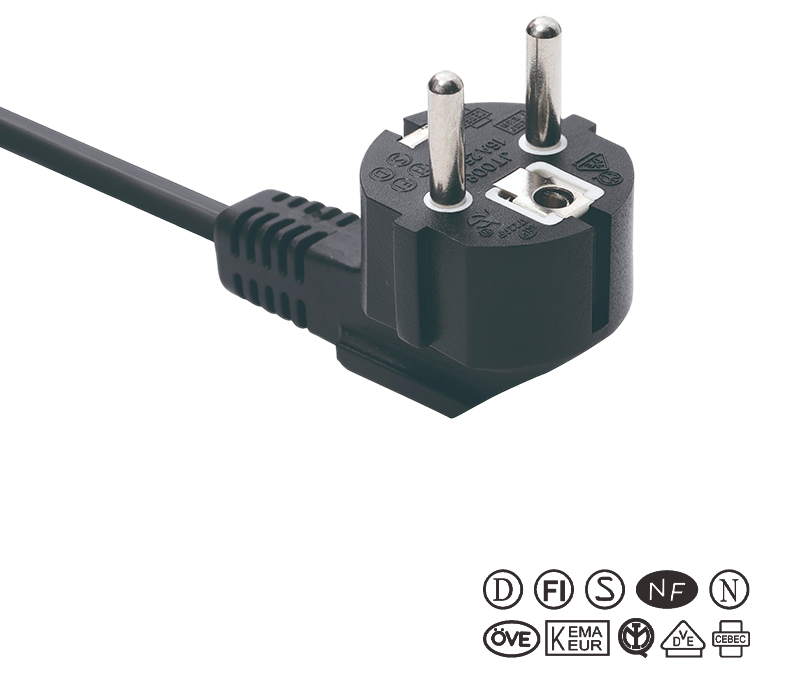
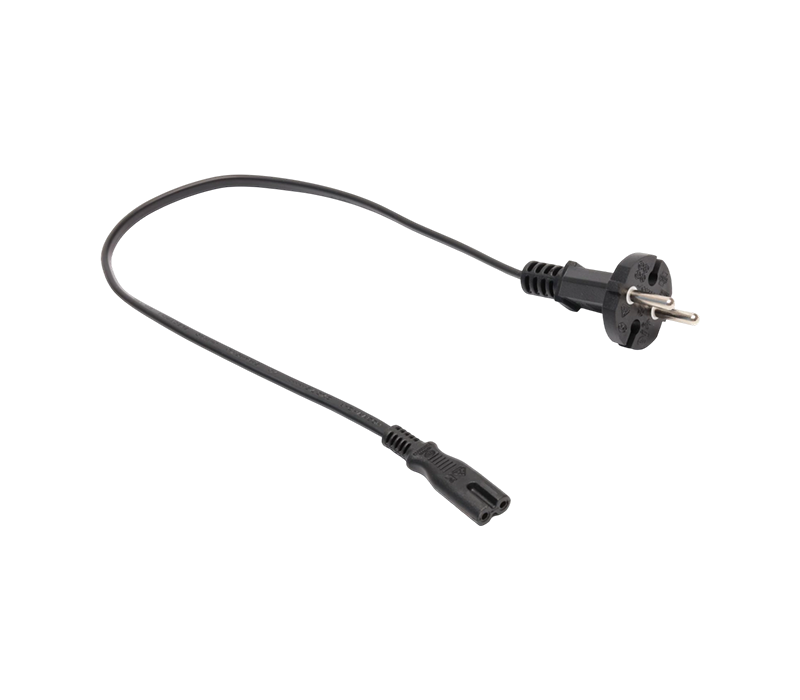
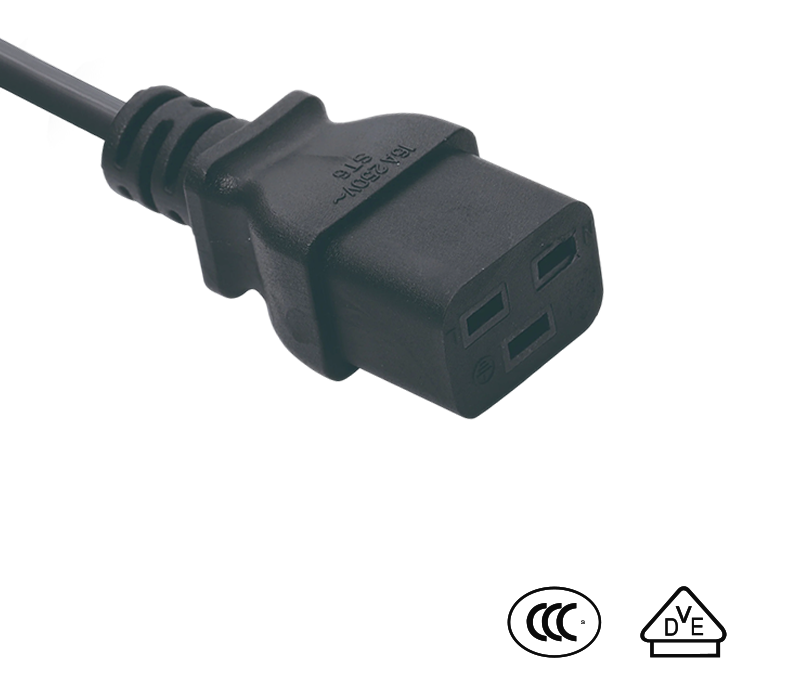
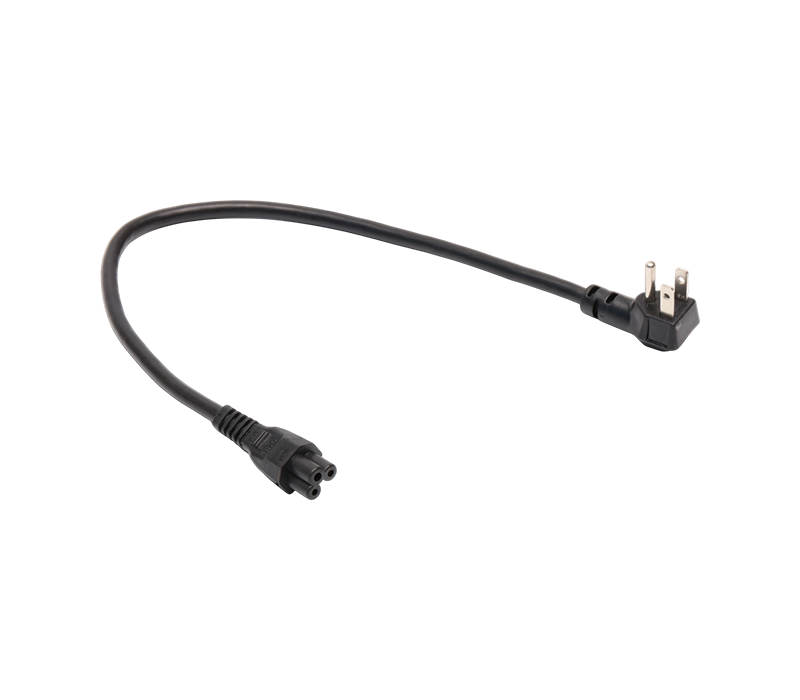
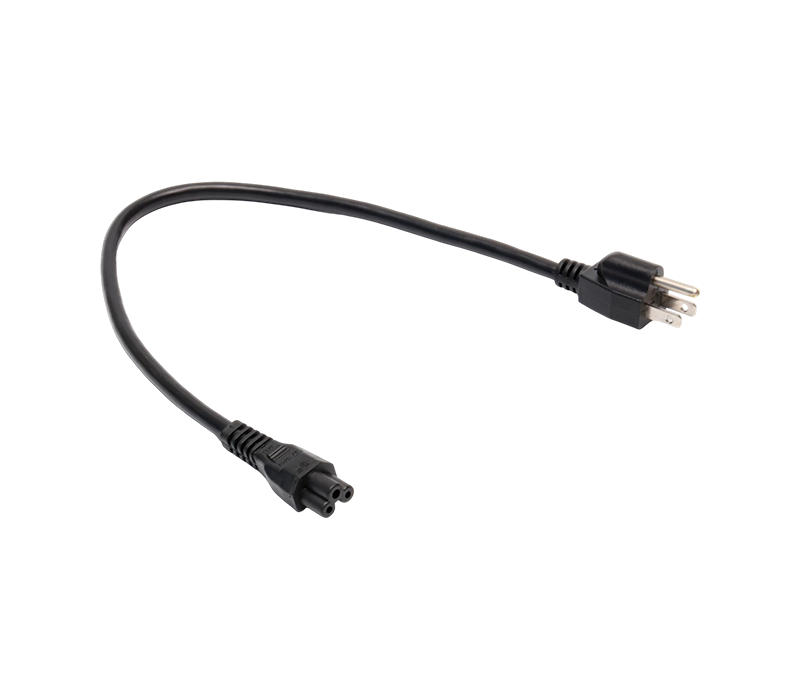
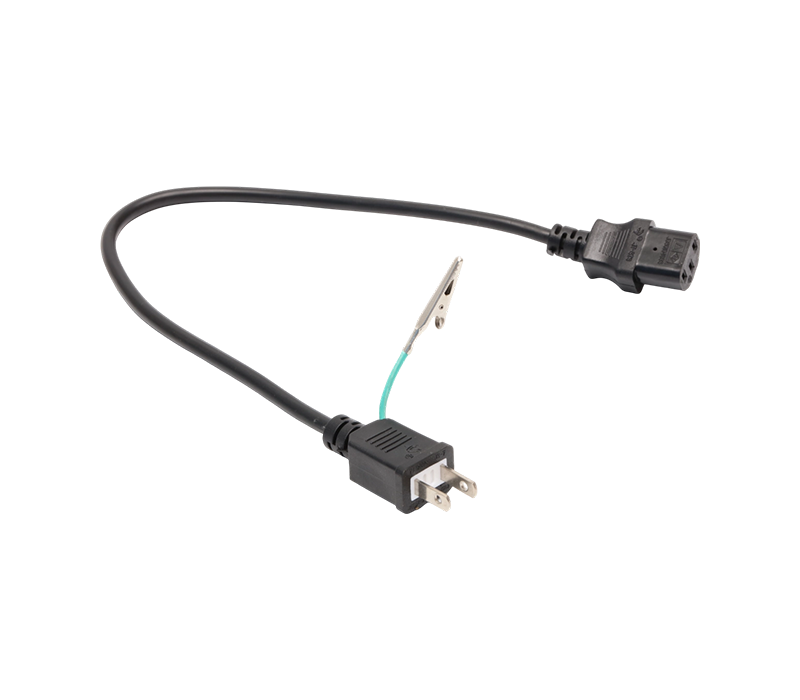
Cable Assembly: Typically a single line with two connectors (one on each end). Its purpose is to link two specific components (e.g., a USB cable connecting a computer to a printer, or a power cord).
Simple Analogy: A wiring harness is like a tree with many branches. A cable assembly is like a single branch connecting two points.
In essence, a Connector Harness is a custom-engineered, integrated wiring system that provides a reliable, safe, and efficient method for distributing power and data throughout complex electrical/electronic products. It is a critical component that bridges the gap between electrical design and physical installation.