2025.12.26
Industry News
This is a very practical concept. We can understand "power plug cord" from several levels.
Simply put, a power plug cord refers to the entire cable that connects an electrical appliance to a wall power outlet. It is typically composed of three inseparable parts:
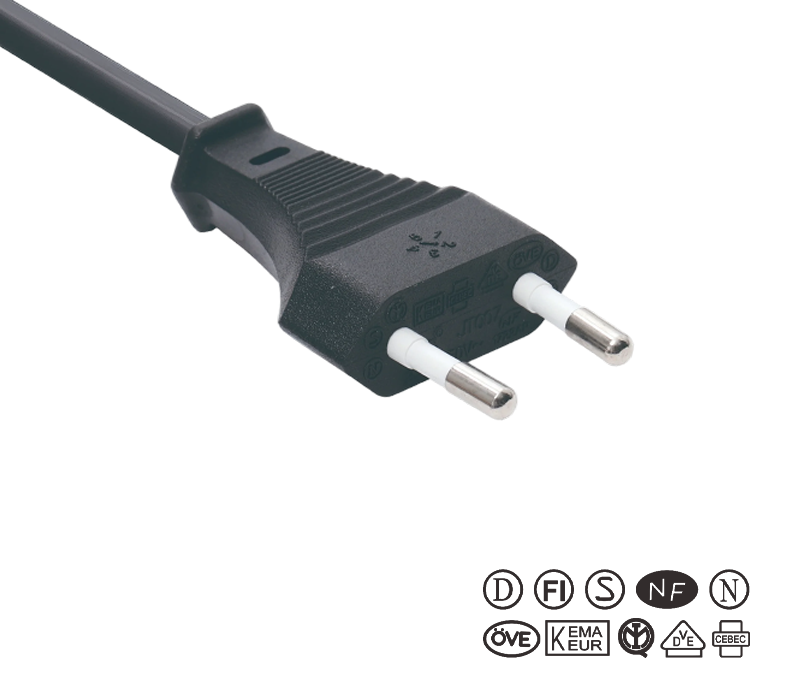
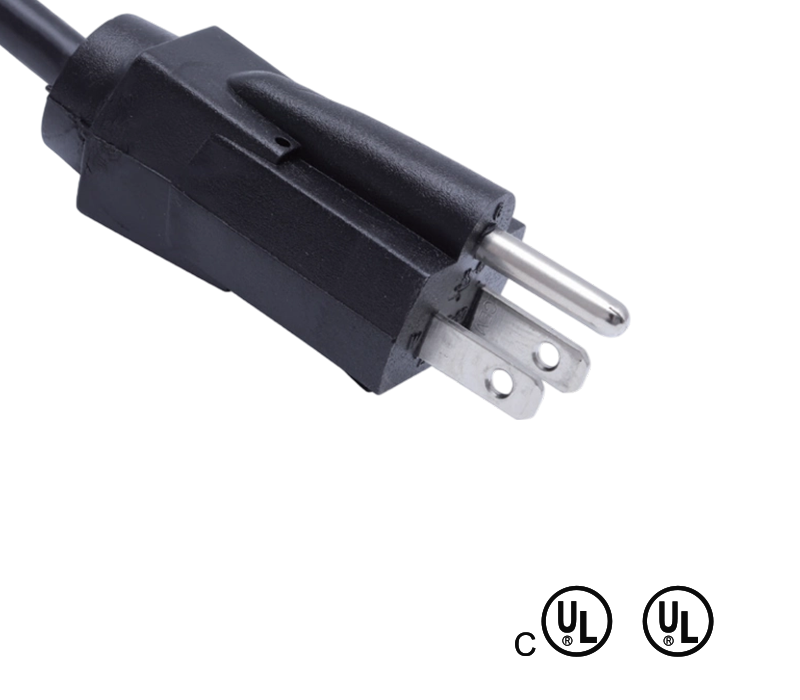
Plug: The end of the cord that inserts into the wall outlet. Its shape varies according to different national and regional standards (e.g., China's two flat pins, the UK's three rectangular pins, etc.).
Cable (Wire): The middle section. Inside are conductive metal cores (usually copper), and the outside is wrapped in insulating plastic, responsible for transmitting electrical current.
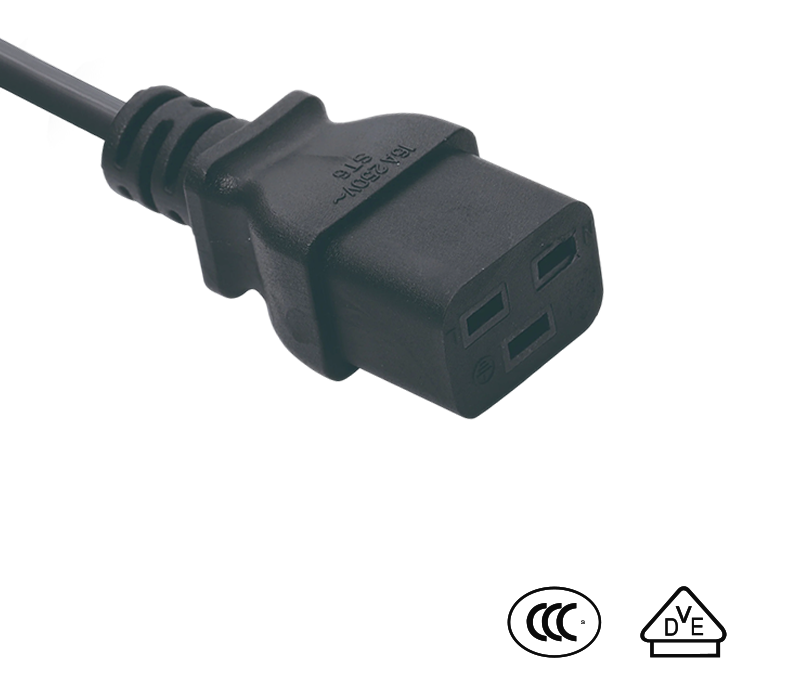
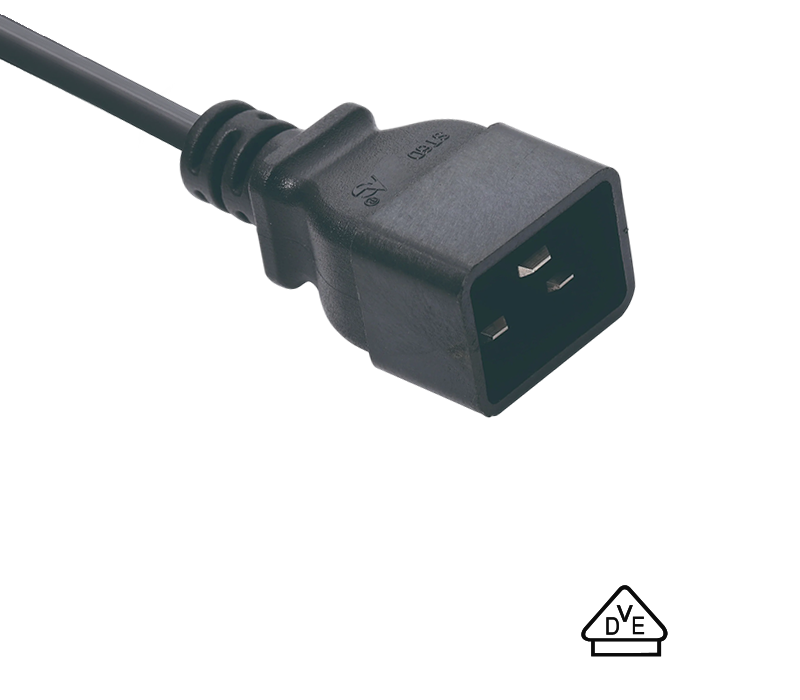
Connector: Some cords have a special connector on the other end for connecting to specific devices (like a laptop's power adapter, a monitor's power port, etc.). However, for many household appliances (like electric fans, desk lamps), the other end of the power cord is directly and permanently attached to the appliance's interior.
I. Formal Names and Composition
In the electrical field, it is more commonly called a power cord or AC power cord. Its core function is to supply mains electricity (AC power) to the appliance.
Internal Structure: A standard power cord typically has three internal wires:
Live Wire (Phase): Carries the incoming current.
Neutral Wire: Completes the electrical circuit.
Ground Wire (Earth): A safety wire that directs any potential electrical leakage from the appliance's casing into the ground to prevent electric shock. Some simple appliances (like phone chargers) may have cords with only two wires (no ground).
External Features: The cable has a thick outer insulation layer. It often includes a "bulging" cylindrical component on the cable itself; this is called a ferrite bead or choke, used to suppress high-frequency electromagnetic interference, ensuring the stability of both the appliance and the power grid.
II. Main Types
Based on the connector on the other end (the device end), common types include:
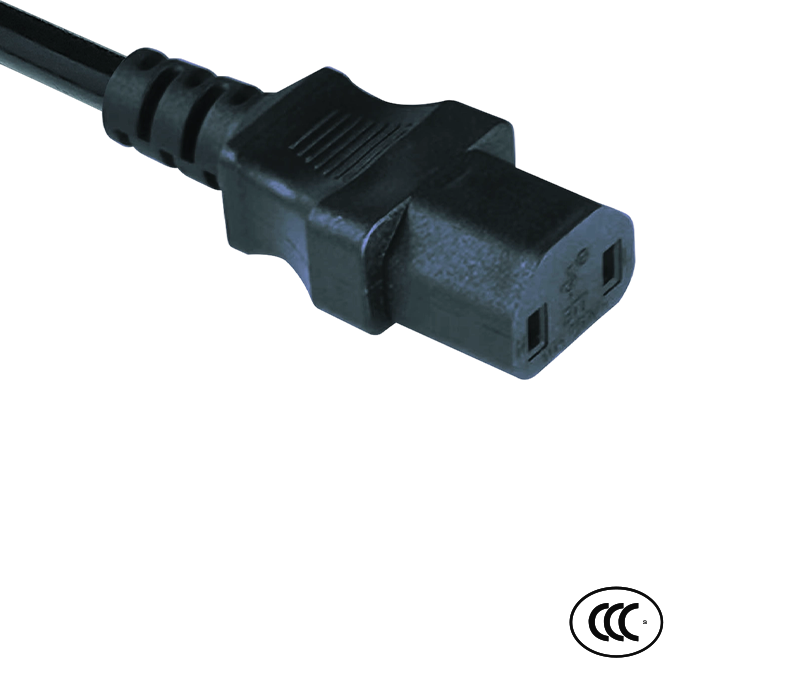
IEC Power Cord: Most common for desktop computer towers, monitors, printers, etc. The device end uses standardized IEC 60320 C13 (female) and C14 (male) connectors.
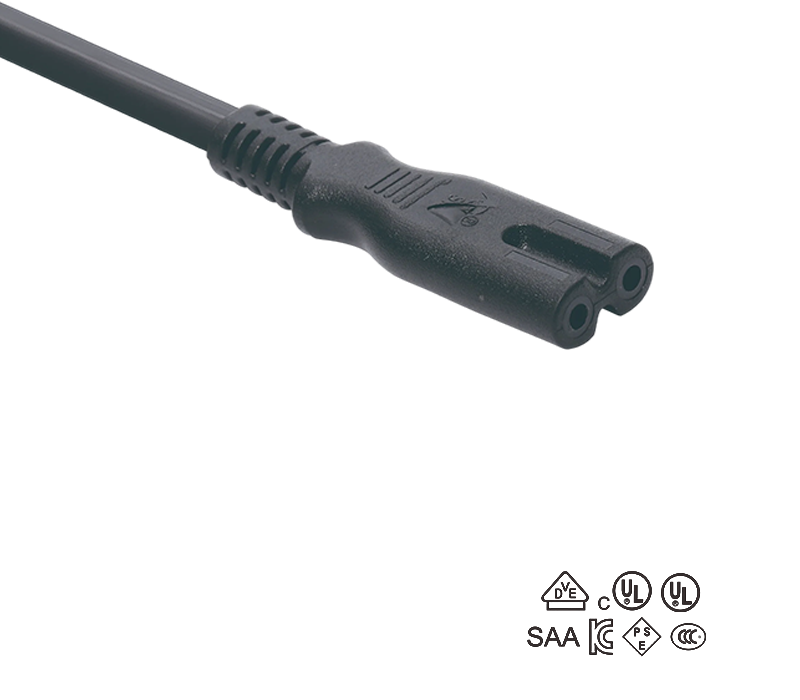
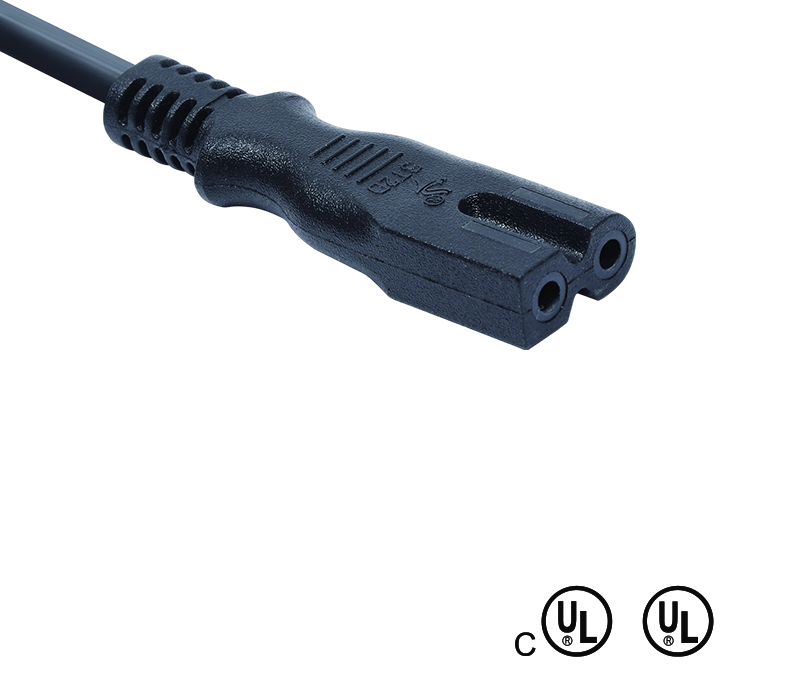
Figure-8 Cable (IEC C7): Named for its "8"-shaped connector. Often used for TVs, game consoles, and some laptop power adapters.
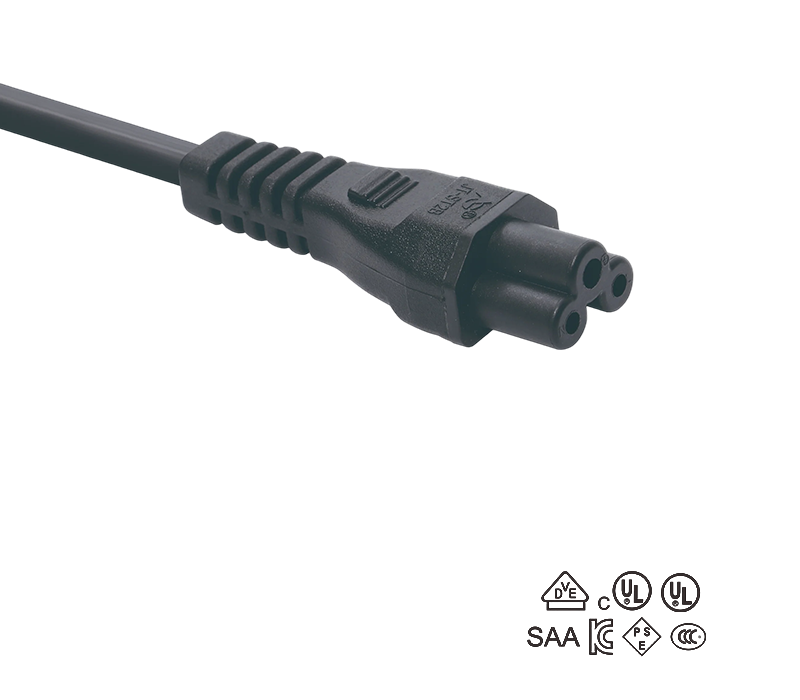
"Mickey Mouse" Cable (IEC C5): Commonly used for older Apple MagSafe laptop power adapters.
Hard-Wired Type: The other end has no detachable connector and is fixed directly to the appliance.
III. Importance
Safety: A qualified power cord has good insulation, preventing leakage and short circuits, serving as the first line of defense for electrical safety.
Power Supply: It is the energy conduit for the appliance to operate.
Compatibility: It is essential to use a power cord that matches the local voltage (220V in China), outlet specifications, and the power requirements of the device.
Therefore, when someone mentions a "power plug cord," they usually mean that complete cable running from the wall outlet to your device, supplying power to it. It is one of the most inconspicuous yet indispensable accessories in our daily lives.
Simple way to remember: Power Plug Cord = Plug + Cable + (Possible) Device-end Connector.